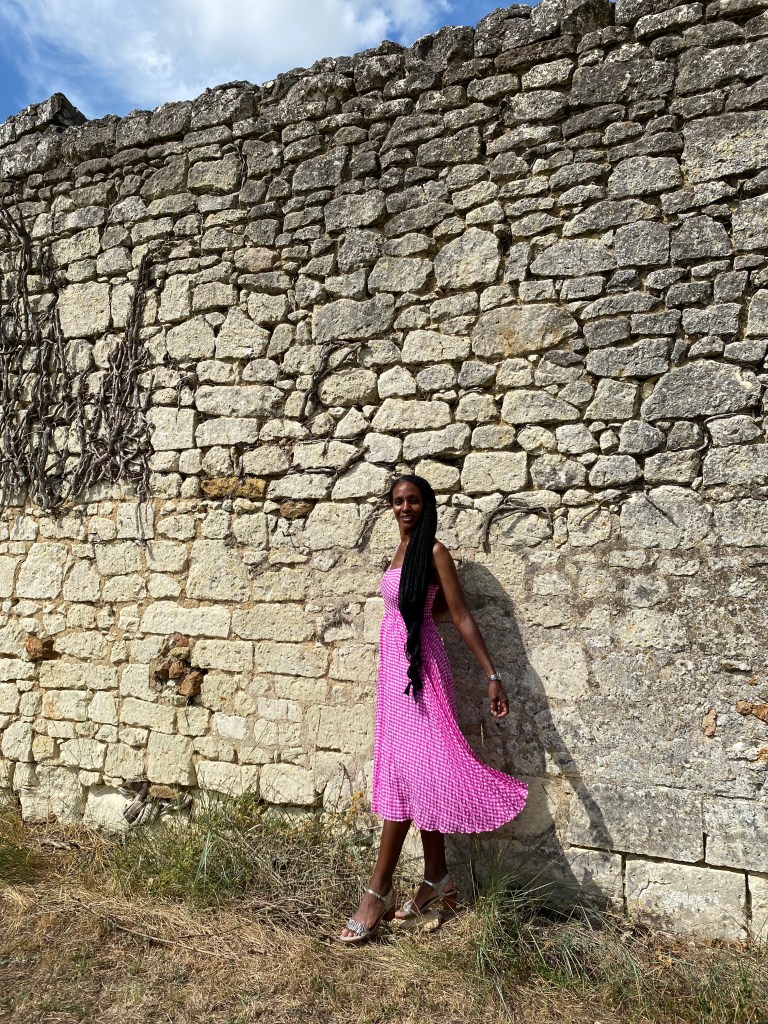
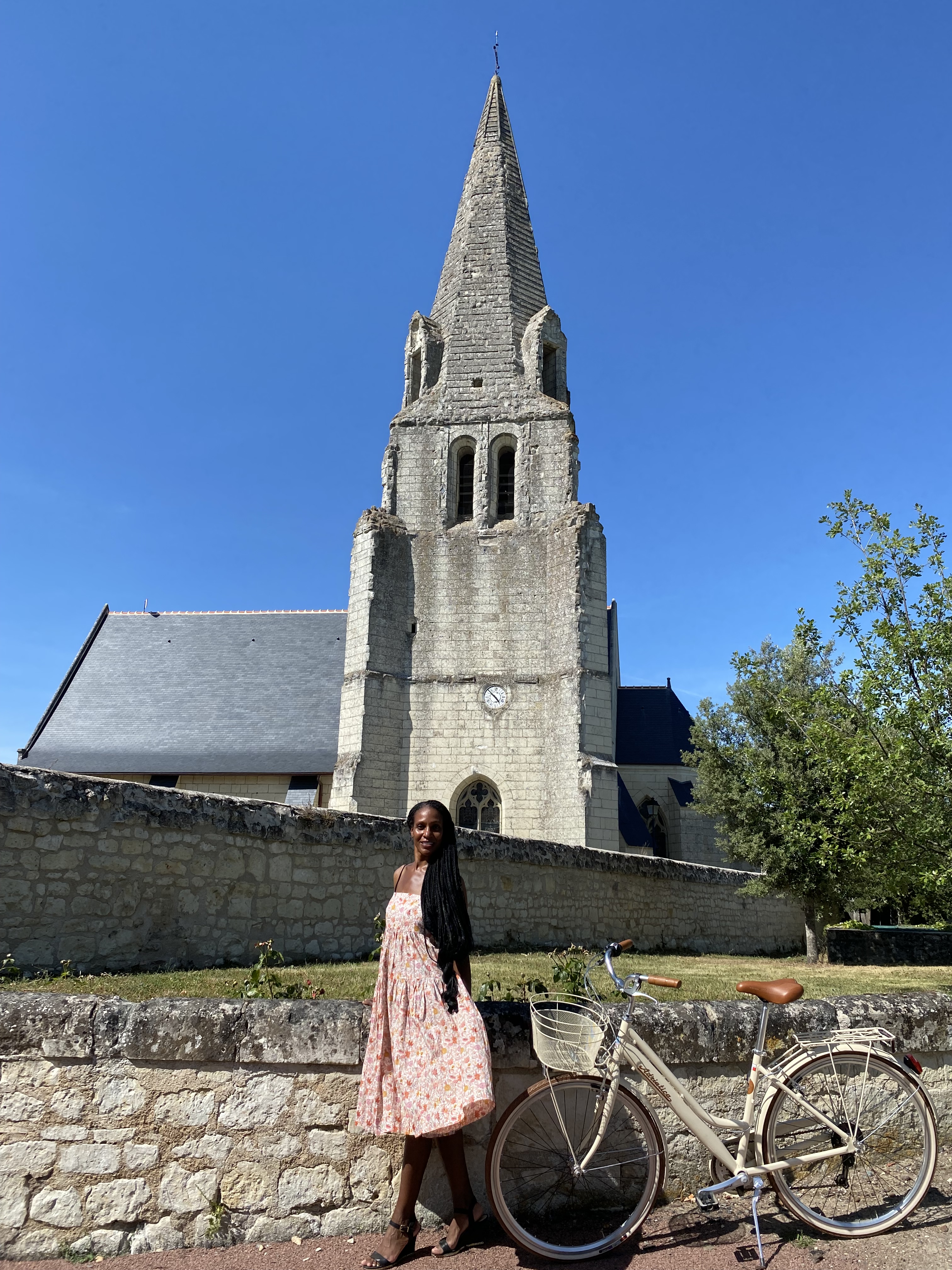
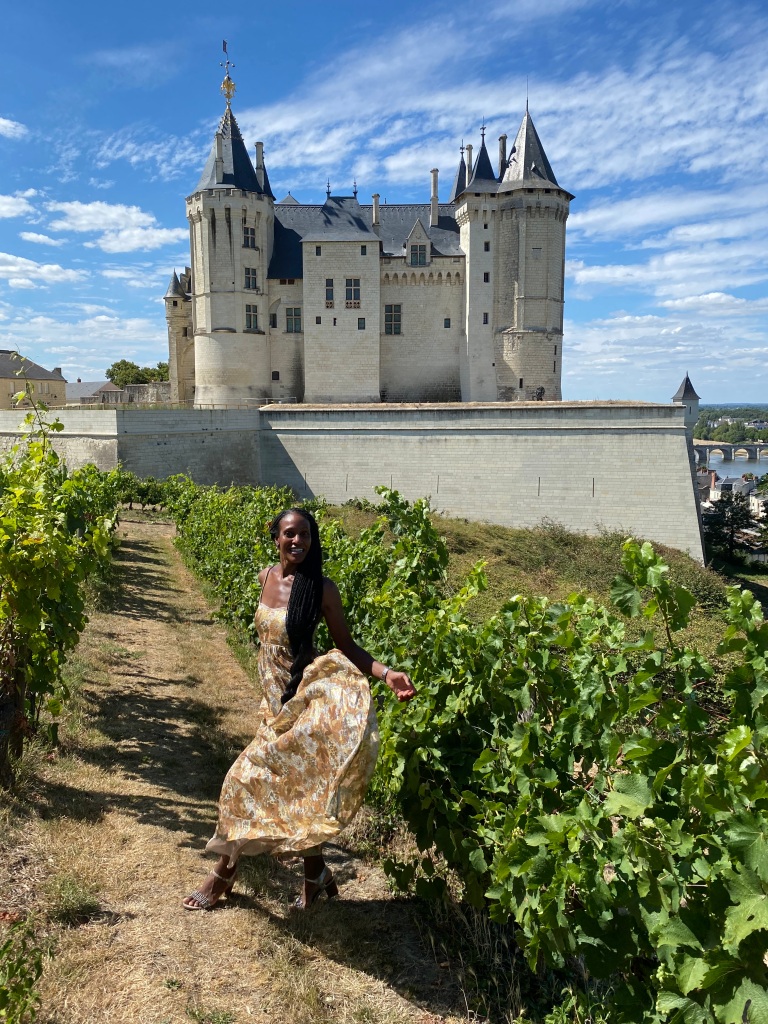
Postcards: Loire Valley, France
Postcards: Loire Valley, France
Jewel K. Goode International Fine Art Gallery
I am pleased to announce the opening of my International Fine Art Gallery and Research Center. Please follow the link: www.jewelkismet.com
Postcards: Honolulu, Hawaii
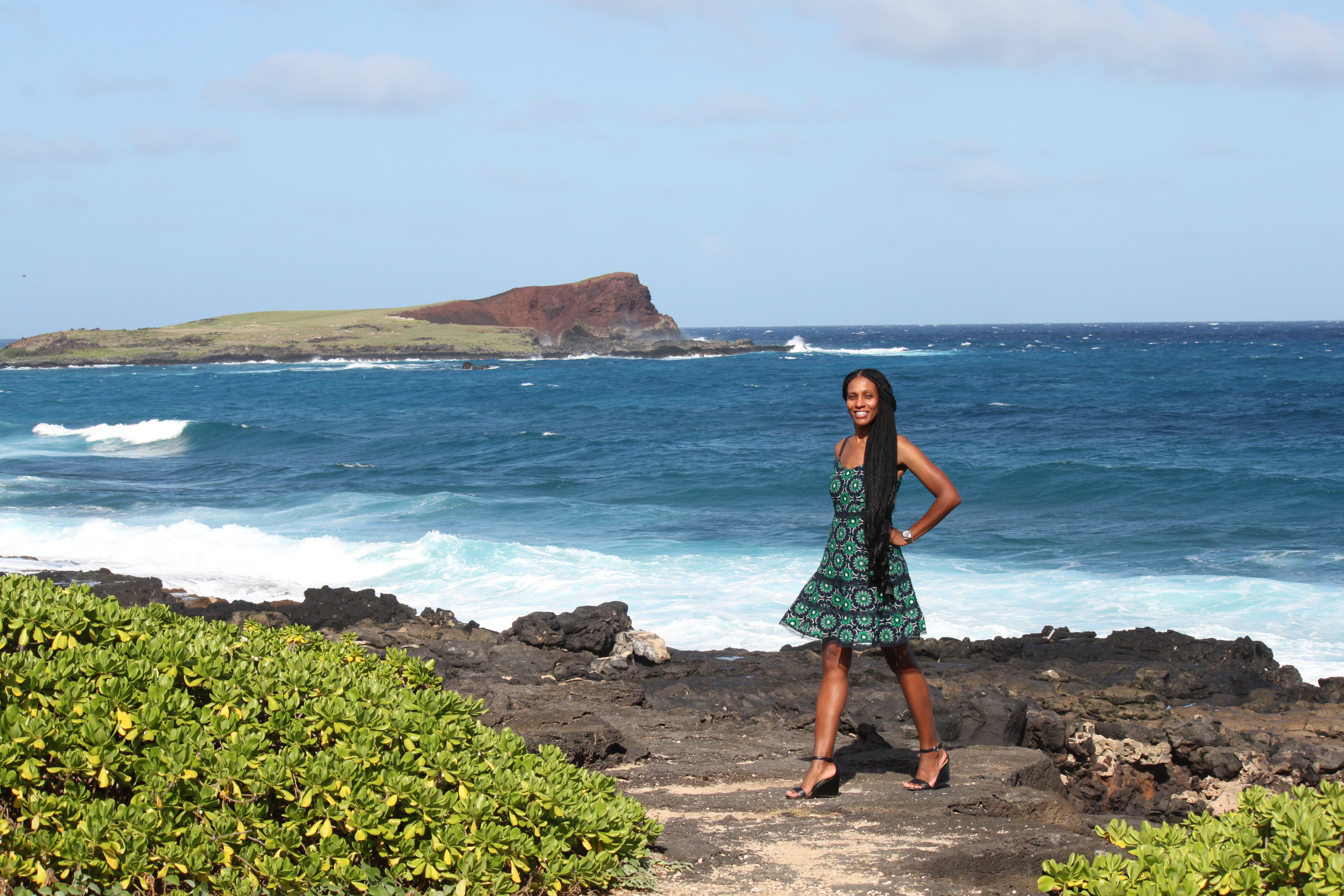
Jewel K. Goode. Global Communications Specialist, Writer, Art Curator, Photographer
Postcards: Paris, France
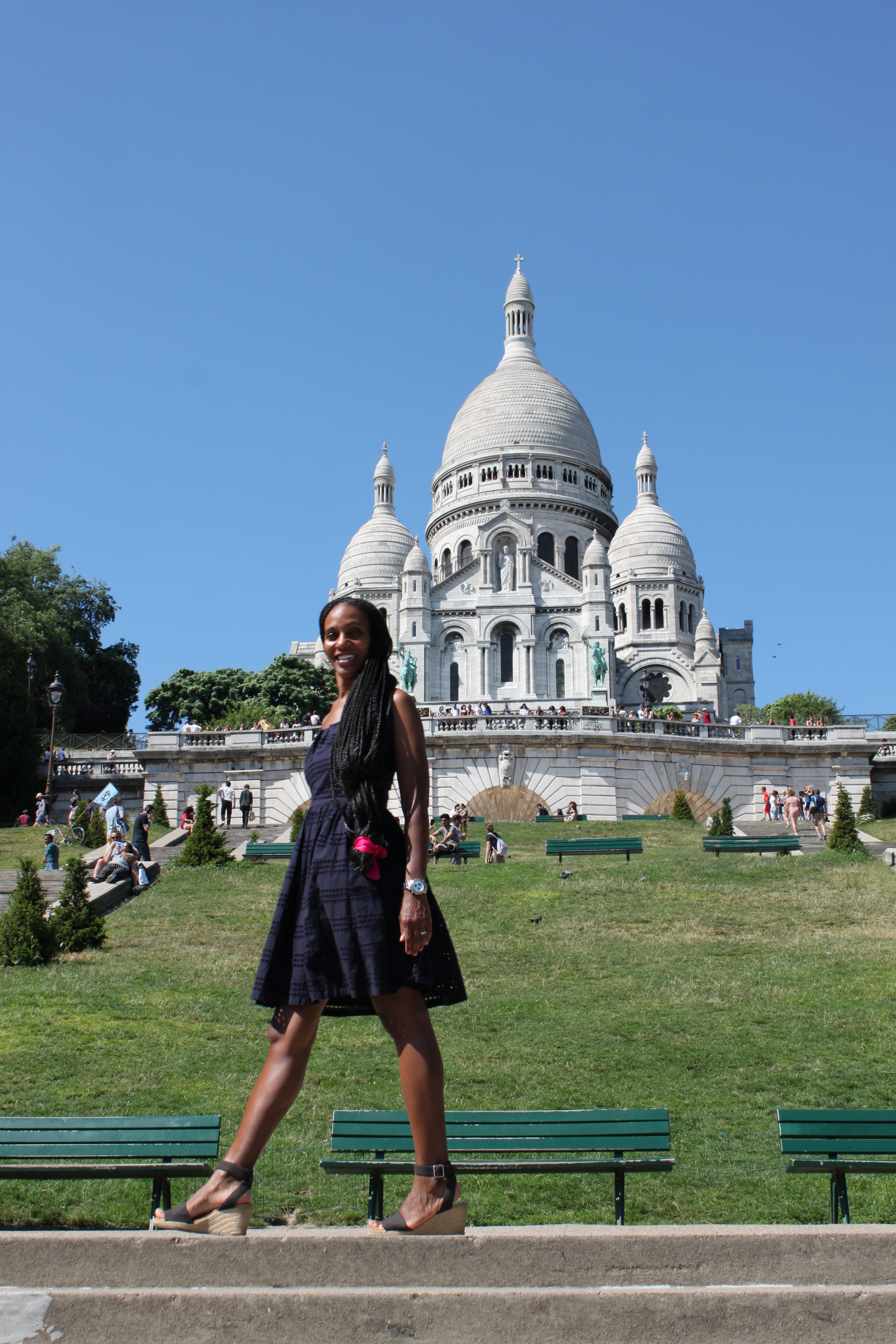
Jewel K. Goode. Global Communications Specialist, Writer, Art Curator, Photographer
La Fondation Louis Vuitton: A Strategic Maneuver

Bernard Arnault, President and CEO of luxury goods conglomerate LVMH, collaborated with Canadian-American architect, Frank Gehry, to create a new museum in the Jardin d’Acclimation. Extensive and costly renovations were estimated to be approximately 158 million Euros. The French cultural center has been dedicated to artisanal crafts and traditions, and is located in the Bois de Boulogne in the former Musée des Arts et Traditions Populaires (MATP), an ethnographic museum which has been classified as an historical site. Since the MATP is classified as an historic site, it cannot be sold. The city of Paris struggled to find a new tenant willing to undertake massive renovations of the defunct building. Therefore, Arnault has agreed to a 50-year lease at 150,000 Euros per year in order to create a new museum, which is housed in a building adhering to sustainable development codes.
The building is located just 300 meters from Arnault’s Fondation Louis Vuitton. Inaugurated in 2014, it was also designed by Gehry. By transforming the MATP into a lucrative asset, Arnault has increased visibility of the Fondation Louis Vuitton. For example, welcomed more than 1,200,000 visitors to its Chtchouckine collection. It has also strengthened awareness for the LVMH brand universe, further highlighting the importance of artisanal work and exceptional craftsmanship inherent to the brand’s DNA. Over a three year period, the MATP will be subsequently renamed La Maison LVMH / Arts – Talents – Patrimoine. The 13,600 square-meters of usable space includes exhibition rooms, gallery spaces, an artisanal workshop welcoming resident artists, an event hall, and a rooftop restaurant.
The collaborative efforts between Arnault and the city of Paris could be viewed as a strategic maneuver. Geographical expansion of the mogul’s empire would not be farfetched, especially after its aggressive and failed attempts to acquire Hermès in 2010. Designed by architect Jean Dubuisson (1914-2011) in collaboration with Michel Jausserand and Olivier Vaudou, Georges-Henri Rivière’s MATP officially closed its doors to the public in 2005, and its 250,000 art objects were transferred to the Musée des civilizations de l’Europe et de la Méditéranné (MuCEM) in Marseille. Since its closing, the MATP has fallen into a state of disrepair due to conflicts with the city of Paris and the Ministry of Culture. The city of Paris hopes to decrease its debt burden with these recent collaborative efforts between Arnault and Gehry.
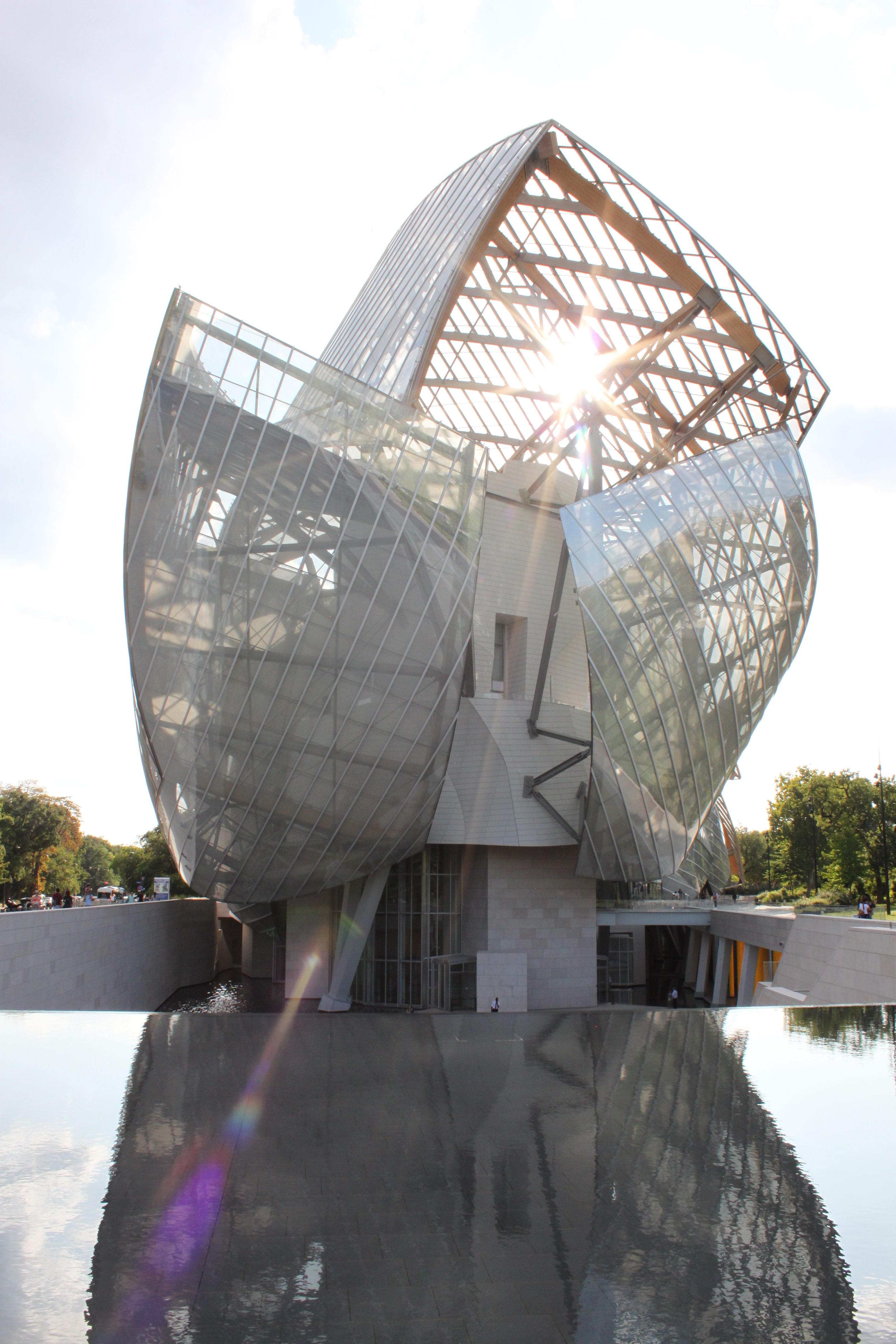
Author: Jewel K. Goode. Global Communications Specialist, Writer, Art Curator, and Photographer
Postcards: Honolulu, Hawaii
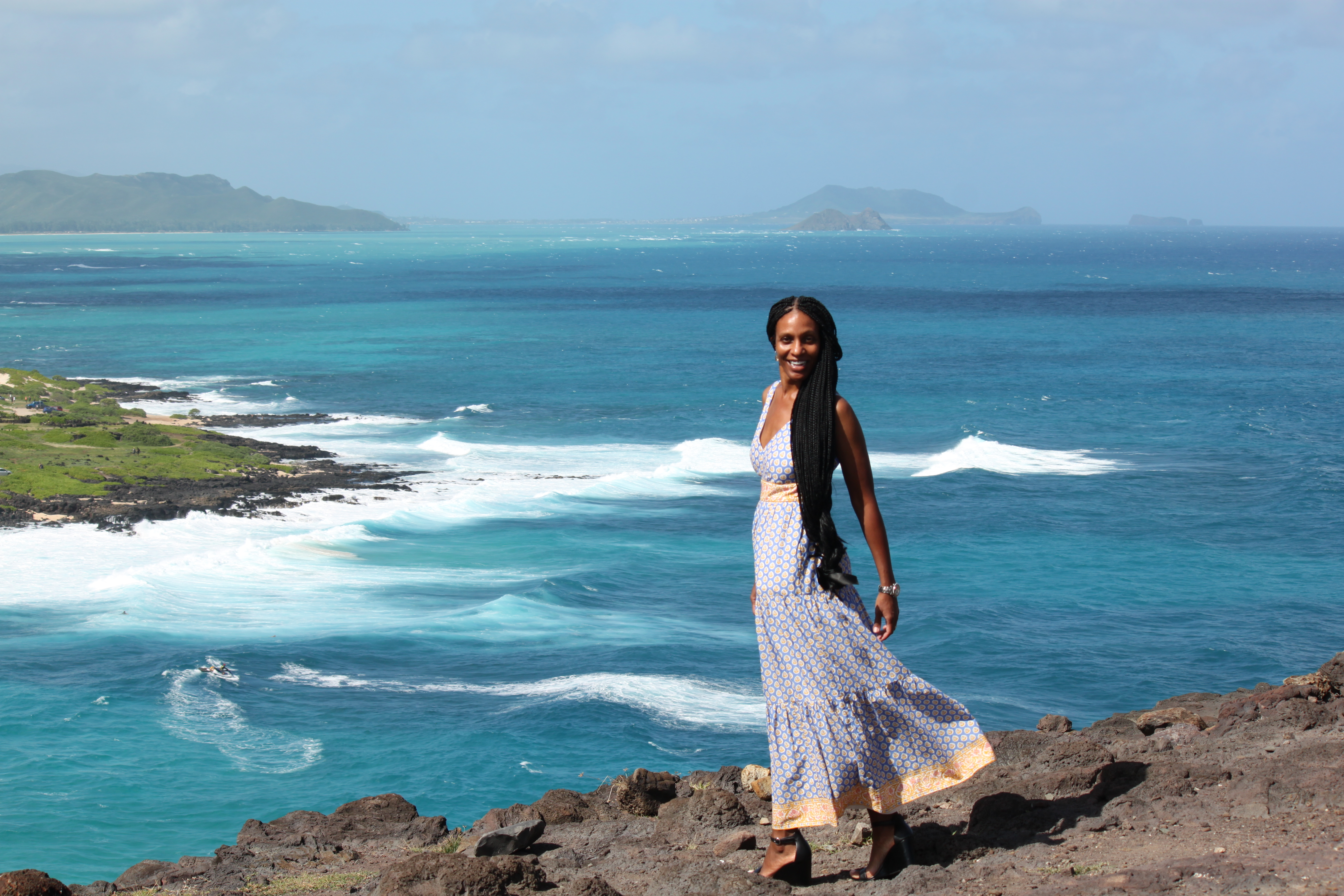
Jewel K. Goode. Global Communications Specialist, Writer, Art Curator, and Photographer
Postcards: Honolulu, Hawaii

Jewel K. Goode. Global Communications Specialist, Writer, Art Curator, and Photographer
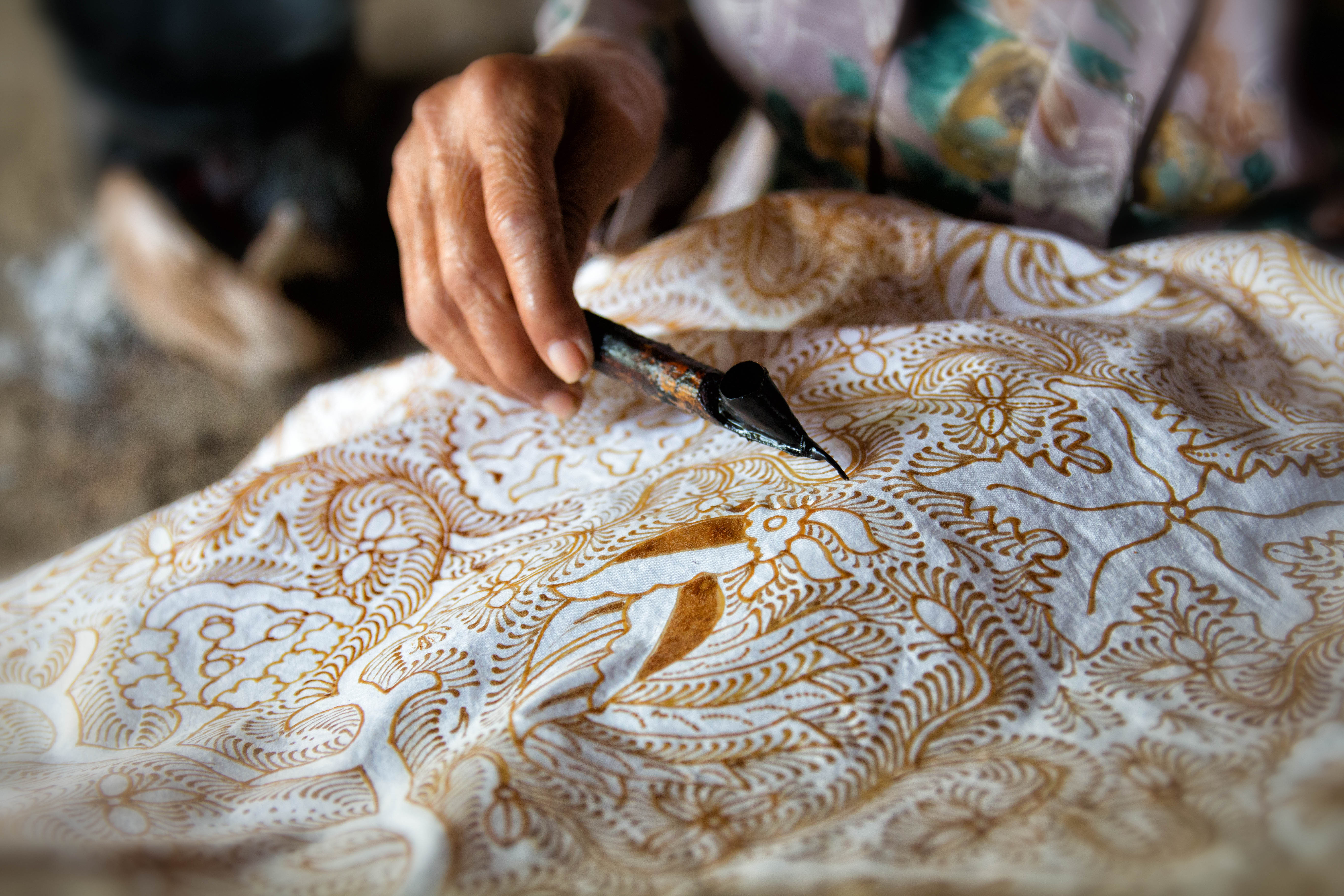
Oscar Lawalata Culture, the Indonesian Batik Foundation (YBI), and Rumah Pesona Kain jointly curated the exhibition entitled, “Batik for the World”, at the UNESCO HQ in Paris from 6-12 June 2018. A collection of 100 batik cloths were transported from various parts of Indonesia and exhibited on-site. Through colorful displays and discussions, the weeklong event offered a platform that increased awareness and appreciation of the cultural heritage of Indonesian batik on the local and international levels. Thus, its history, embedded cultural values, craftsmanship, and development along the maritime Silk Roads were highlighted. In addition, visitors could partake in informal workshops, where they were able to witness the batik-making process involving “malam” (hot, liquid wax), “canting” (copper wax pen with a bamboo handle), “wajan” (liquid wax receptacle), and other tools used by skilled artisans who help to promote its safeguarding. Moreover, the exhibition showcased batik textile creations by contemporary designers Oscar Lawalata, Edward Hutabarat and Denny Wirawan during a fashion show that celebrated the diversity of Indonesian regions, batik processing methods, natural coloring, embroidery, and fabrics.
Indonesian batik was added to UNESCO’s Intangible Cultural Heritage of Humanity list in 2009, and has been internationally recognized as an historical fabric of human civilization. It is thought to be over 1000 years old, with historical evidence pointing to its use in parts of Africa, Asia, and the Middle East. Although the actual origins of batik are unknown, it is believed to have been transported to Asia by way of the Indian subcontinent. “Batik” is derived from an Indonesian-malay word, which is now often used as a generic term referring to the process of dyeing fabric. The process is traditionally performed on cotton and silk using a resist technique. This includes covering areas of cloth with a dye-resistant substance in order to prevent color absorption. Those areas not covered are able to absorb deep hues. Thus, the fabric is both durable and fade-resistant. Other batik methods also exist, such as the splash method, the screen printing process, and the hand-painting methods.
Batik is considered to have reached the height of its artistic expression in Java during the 19th century. Recognizable motifs, patterns, and colors often designated family, social status, and geographic origin. Traditional colors for Central Javanese batik were made from natural ingredients, and consisted primarily of blue, brown, beige, and black. Some designs include Kawung, or intersecting circles, Ceplok, geometric designs, Parang, or “knife pattern”, and Prada cloth, a batik decorated with gold leaf or gold dust. These prints were inspired by Japanese, Indian, Chinese, and Dutch influence, which resulted in the richness of the color and motifs. The art of batik later spread to the rest of the Indonesian archipelago, and then to the Malay Peninsula. Due to its popularity, more production centers were subsequently created. Although most batik fabric is now decorated and tailored by machine, there is still a desire for traditional textiles that are of the highest quality and hand-made. Today, skilled artisans, educational programs like those initiated in 2005 by the Batik Museum in Pekalongan City, Indonesia, as well as similar exhibitions, continue to transmit batik cultural heritage, which helps preserve its maritime Silk Roads legacy.
Author: Jewel K. Goode. Global Communications Specialist, Writer, Art Curator, and Photographer
image © Evans Winanda Wirg
sources provided upon request
Related Articles
Silk Roads Series: Sericulture
Silk Roads Series: Regional Differences in Clothing
Postcards: Paris, France

Jewel K. Goode. Global Communications Specialist, Writer, Art Curator, and Photographer
 Jewel K. Goode